
How Tall Are Shower Heads? Most shower heads sit about 80 inches above the floor, but you’ll see them anywhere from 68 to 86 inches. Getting the shower head height right makes a big difference. Too low, and tall folks may need to crouch. Too high, and shorter users might not enjoy full water coverage.
Key Takeaways
- Standard shower head height is typically between 80 and 84 inches, providing comfort for most adults.
- Adjust the shower head height based on user needs; taller individuals may prefer heights of 82 to 84 inches, while children may need it set lower at 72 to 78 inches.
- For accessibility, follow ADA guidelines by installing shower heads between 38 and 48 inches to accommodate users with mobility challenges.
How Tall Are Shower Heads?
Standard Shower Head Height
Ever wondered how tall are shower heads in most homes? The answer is pretty simple. The standard shower head height usually falls between 80 and 84 inches from the floor. This measurement works well for most people and has become the go-to choice for builders and plumbers. The reason behind this standard shower head height is comfort. Most adults can stand under the water stream without ducking or stretching. It’s not a strict rule, though. You can adjust it if you have special needs or a unique bathroom design.
Here’s a quick look at the most common shower head heights you’ll find in residential bathrooms:
- 80 to 84 inches is the typical range for standard shower head height.
- This height gives average-height adults a comfortable shower experience.
- It’s a guideline, not a law, so you can tweak it for your family.
So, how tall are shower heads in your home? If you measure from the shower floor to the center of the shower arm, you’ll probably land somewhere in this range.
Height Range and Factors
Not every bathroom is the same, and not every person is the same height. That’s why the answer to “how tall are shower heads” can change from house to house. The usual range is 68 to 86 inches, but several things can affect where your shower head ends up.
Let’s break down the main factors:
- User height: Taller people often prefer a higher shower head, while shorter users or kids might want it lower.
- Bathroom space: Small showers with low ceilings may need a lower shower head height to avoid splashing and make the space feel bigger.
- Shower type: Wall-mounted, handheld, and rain shower heads all have different ideal heights.
- Design and aesthetics: Some people like the look of a higher shower head, especially in modern or spa-like bathrooms.
- Building codes: Local rules sometimes set minimum or maximum heights for safety and accessibility.
Here’s a handy table showing how shower size and type can influence the recommended shower head height:
| Typical Dimensions | Recommended Shower Head Height | Suitable Shower Head Type | Key Impact |
|---|---|---|---|
| 32″ x 60″ | 78″–80″ | Wall-mounted | Less splashing in small spaces |
| 36″ x 36″ | 72″–78″ | Handheld | Adjustable for kids or seated users |
| 48″ x 36″ | 80″–84″ | Adjustable or rain | More coverage for larger showers |
| 48″ x 48″ or larger | 84″–90″ | Rain or ceiling-mounted | Spa-like feel in big showers |
Most plumbers stick with 80 inches for the shower head height. This works for most adults and keeps water from spraying everywhere. If you’re over 6 feet tall, you might want to go up to 82 or 84 inches. For kids or shorter adults, 72 to 78 inches can be more comfortable.
Tip: When planning a new bathroom, think about who will use the shower most often. Adjust the height to fit your family’s needs.
ADA Shower Head Height
Accessibility matters, especially if someone in your home uses a wheelchair or has limited mobility. So, how tall are shower heads in accessible bathrooms? The Americans with Disabilities Act (ADA) sets clear guidelines for this.
The ada-compliant shower head height is much lower than the standard. The ADA recommends placing fixed shower heads no higher than 48 inches above the shower floor. This makes it easier for people to reach and use the shower controls. In some cases, the ada-compliant shower head height can be as low as 38 inches, depending on the user’s needs.
Here’s a quick comparison:
| Type of Shower Head | Height (inches) |
|---|---|
| Standard Residential | 80 – 84 |
| ADA-Compliant | 38 – 48 |
If you’re designing a bathroom for accessibility, always check the latest ADA guidelines. Lowering the shower head and controls can make a huge difference in comfort and independence.
So, how tall are shower heads? The answer depends on who’s using the shower, the size of the space, and whether you need to meet special requirements like ADA compliance. With a little planning, you can find the perfect shower head height for any bathroom.
How Tall Should a Shower Head Be for Different Users?
Ideal height for average adults
Finding the ideal shower head height for average adults is pretty straightforward. Plumbing experts recommend setting the shower head at 80 inches from the floor. This height works well for most people and gives comfortable water coverage. If you want a shower that feels just right, stick with this standard. It’s the ideal shower head height for homes where most users are average height.
Best shower head height for tall people
Tall folks often struggle with low shower heads. If you’re taller than average, you should measure your height and add 3 to 4 inches. This adjustment helps you avoid crouching and makes your shower more enjoyable. For example, someone who is 6’2” might find the ideal shower head height at 84 inches. Customizing the height ensures you get the best experience.
Recommended height for children or family bathrooms
Family bathrooms need flexibility. Here are some tips for setting the ideal shower head height:
- Consider the average height of adults in your household when adjusting wall-mounted shower heads.
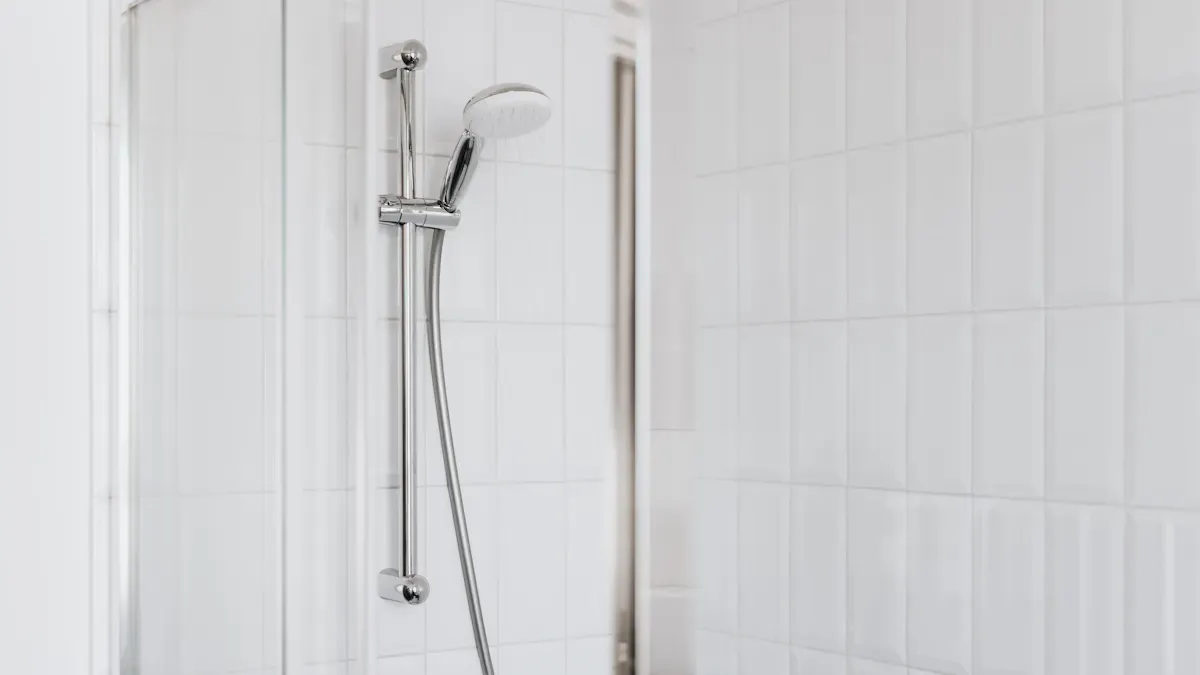
- Install handheld shower heads at 72 to 78 inches. This range suits both kids and adults.
- For families with young children, a height of 76–78 inches may be more appropriate.
Handheld shower heads make it easy to adjust for different users. They’re a smart choice for multi-generational homes.
Adjustments for elderly or accessibility needs
Bathrooms for elderly users or those with accessibility needs require special attention. Here’s what you should keep in mind:
- Fixed shower heads in ADA-compliant showers should be installed between 48 and 60 inches from the floor.
- Handheld shower heads need a hose at least 59 inches long and should work as both handheld and fixed units.
- Grab bars should be mounted at 33 to 36 inches for stability.
- Fold-down shower seats should sit 17 to 19 inches above the floor.
These adjustments help everyone enjoy a safe and comfortable shower. Choosing the ideal shower head height for each user makes your bathroom more welcoming.
Shower Head Height vs Ceiling Height
Minimum ceiling height requirements
Ceiling height plays a big role in shower head installation. Most bathrooms have ceilings at least 7 feet tall. This gives enough space for standard shower head height and comfortable water flow. Builders often recommend a minimum ceiling height of 84 inches for showers. This helps prevent water from splashing onto the ceiling and keeps the shower area feeling open.
Note: If your bathroom ceiling is lower than 84 inches, you may need to adjust your shower head dimensions or choose a different fixture.
Ideal spacing between shower head and ceiling
You want enough space between the shower head and the ceiling. The ideal gap is about 12 inches. This spacing lets water spray freely and avoids moisture buildup near the ceiling. If you install a rain shower head, make sure the fixture sits at least 6 inches below the ceiling. This helps with proper installation and keeps the shower comfortable.
Here’s a quick table for reference:
| Ceiling Height | Recommended Shower Head Height | Ideal Gap |
|---|---|---|
| 96″ | 84″–86″ | 10–12″ |
| 84″ | 72″–78″ | 6–12″ |
What to do in low-ceiling bathrooms
Low ceilings can make shower head installation tricky. You don’t want water spraying too close to the ceiling. Wall-mounted shower heads work best in these spaces. They are efficient and cost-effective for small enclosures. Overhead fixtures need more clearance, so wall-mounted options are a smarter choice.
- Wall-mounted shower heads fit well in bathrooms with limited ceiling height.
- They help maximize usable space and keep water flow comfortable.
- Avoid installing rain shower heads in low-ceiling bathrooms.
If you have a small shower, measure your dimensions carefully. Choose a shower head height that fits your space and meets your needs.
Types of Shower Heads and Their Height Requirements
Wall-mounted shower heads (standard positioning)
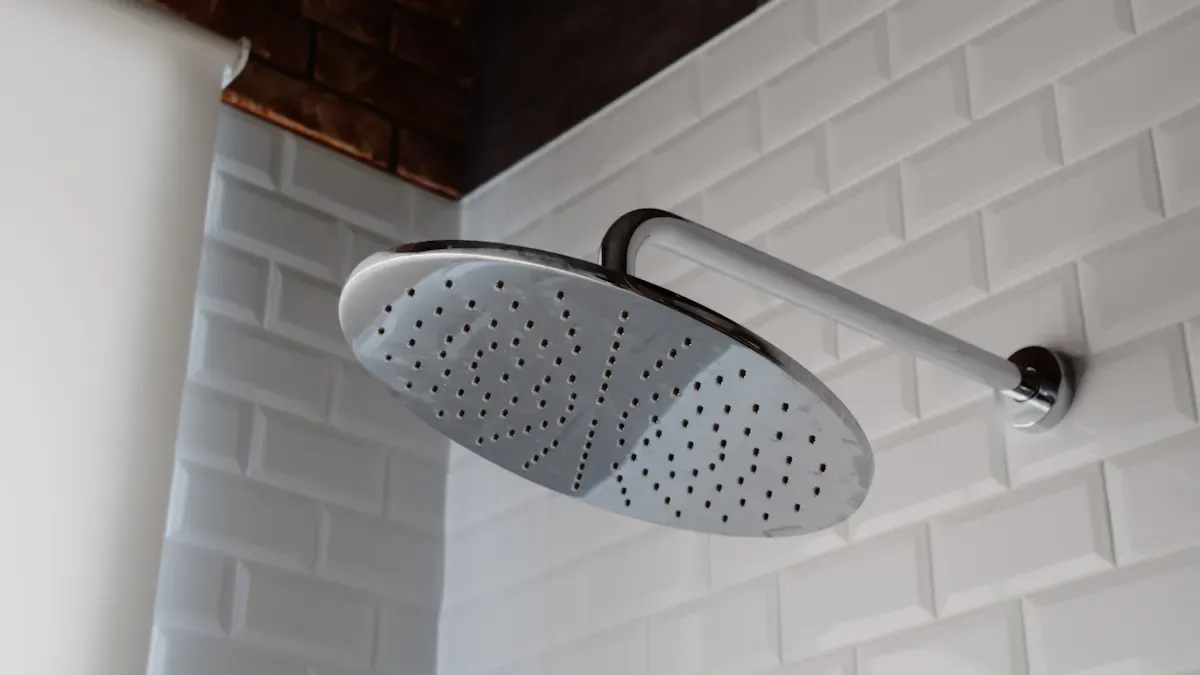
Wall-mounted shower heads are the most common type in homes. Most people set these at 80 inches from the floor to the spray face. This height works for many households and matches the average adult height. If you want a more custom fit, measure the adults in your home, find the average, and add 3 or 4 inches. That way, everyone gets a comfortable shower. Eighty inches is often called the perfect height for a wall-mounted shower head.
Rainfall shower heads (ceiling-mounted height guide)
Rainfall shower heads create a spa-like feel. Many people ask, how high should a rain shower head be? The answer depends on your ceiling. For ceiling-mounted models, the best range is 84 to 96 inches from the floor. If you have an 8-foot ceiling, install the fixture at 80 to 85 inches for the best coverage. Wondering again, how high should a rain shower head be? Make sure there’s enough space above your head for the water to fall gently. If you’re still unsure how high should a rain shower head be, aim for at least 12 inches above the tallest user.
Handheld shower heads (adjustable height benefits)
Handheld shower heads offer flexibility for every family member. You can move the spray up or down, which helps kids, adults, and anyone who needs to sit while showering. Here’s a quick look at the benefits:
| Benefit | Description |
|---|---|
| Personalized Comfort | Users can adjust the height to their preference for a comfortable shower. |
| Improved Coverage | Ensures optimal water stream coverage for effective rinsing. |
| Enhanced Flexibility | Facilitates tasks like shaving or washing children’s hair with ease. |
| Accessibility | Aids individuals who may need to sit while showering, enhancing usability. |
Dual shower systems (how to balance heights)
Dual shower systems combine two or more spray options. To make these work for everyone, divide the shower into zones. You might have a rainfall area, a massage jet, and a handheld spray. Place the controls where everyone can reach them, both inside and outside the shower. This setup gives you lots of water flow choices and makes the shower more functional for all users.
Common Mistakes When Choosing Shower Head Height
Installing too low or too high
Many homeowners make the mistake of setting the shower head height either too low or too high. When the shower head sits too low, taller users have to crouch, which feels uncomfortable and awkward. On the other hand, a shower head installed too high can cause water to spray everywhere, wasting water and energy. It also leads to poor water coverage, making showers less enjoyable. Always measure your shower head dimensions and consider the tallest person who will use the shower before installation.
Tip: Aim for a height that gives everyone in your home a comfortable experience. Double-check your ceiling height and shower stall size to avoid splashing outside the shower area.
Ignoring user height differences
Every family is different. Ignoring the height differences between users can lead to daily frustration. If you only think about your own height, someone else might end up with a shower that doesn’t work for them. A shower head placed too low forces tall people to bend, while one set too high can reduce water pressure and coverage for shorter users. Adjustable or handheld shower heads can help solve this problem.
- Consider everyone who will use the shower.
- Choose a shower head height that works for both kids and adults.
Not considering shower type
The type of shower head you pick affects the best installation height. Wall-mounted shower heads usually work best at 80 inches. Rain shower heads need more space, so 85 to 90 inches is ideal. Handheld models should sit between 72 and 78 inches for flexibility. If you skip this step, you might end up with a setup that doesn’t match your bathroom or your needs.
Overlooking future flexibility
People often forget to plan for the future. Maybe your family will grow, or you’ll have guests with different needs. If you install a fixed shower head without thinking ahead, you might need to redo the work later. Adjustable fixtures and handheld options add flexibility and make your bathroom more user-friendly for years to come.
Remember, a little planning now can save you time and money down the road!
Pro Tips for Choosing the Ideal Shower Head Height
Consider household needs first
Every family is unique, so start by thinking about who uses the shower most. Here are a few things to keep in mind:
- The height of each user matters. If you have tall people, aim higher. For kids, a lower shower head height works best.
- Elderly family members or anyone with mobility challenges need accessible dimensions.
- Balance is key. Try to find a height that fits everyone comfortably.
To make installation easier, follow these steps:
- Measure the tallest person in your household.
- Add 3 to 4 inches for a comfortable cushion.
- Mark this height for your shower head installation.
Don’t forget to check the shower door bottom seal. It helps keep water inside and your bathroom clean.
Use adjustable fixtures for flexibility
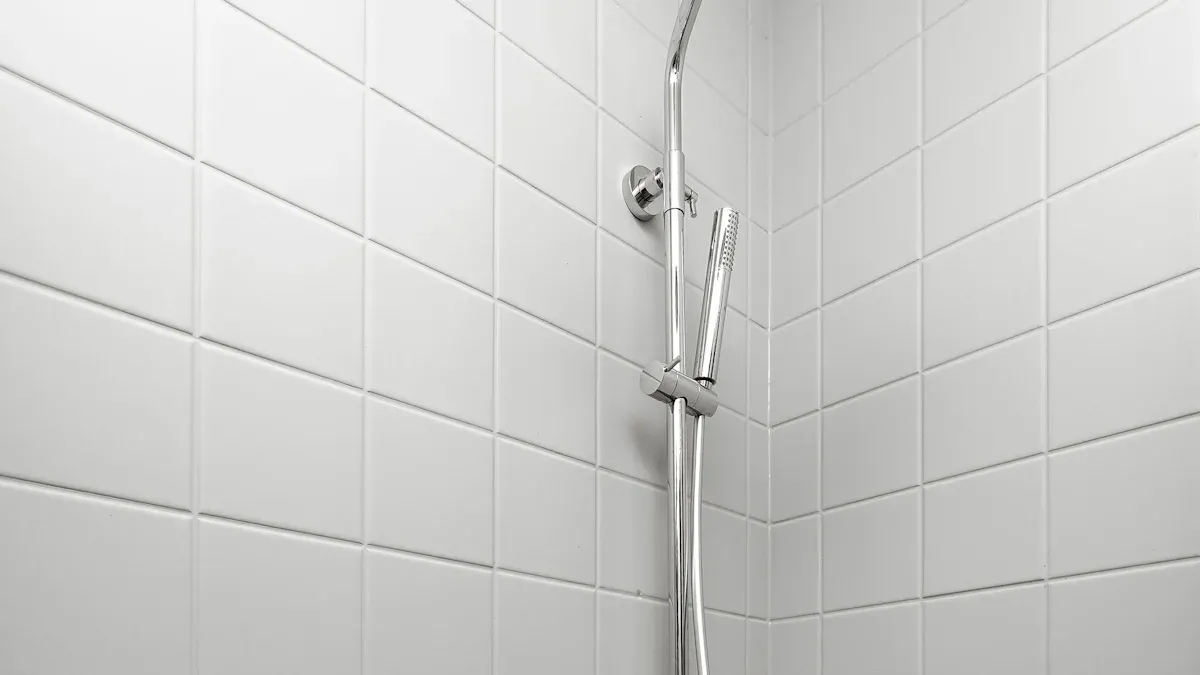
Adjustable shower heads or handheld models make life easier. You can move the spray up or down, so everyone gets the right coverage. Slide bars let you change the height quickly. This flexibility is perfect for multi-generational homes or guest bathrooms.
Tip: Temporarily hold the shower head in place before final installation. Make sure it feels right for all users.
Match height with overall bathroom design
Think about your bathroom’s style and layout. Modern showers often use rain shower heads, which need more space above. Wall-mounted heads fit well in smaller bathrooms. Choose a shower head height and dimensions that match your design and maximize comfort.
Plan for long-term comfort
Planning ahead saves headaches later. Check local building codes for height requirements. Consider future needs, like growing kids or aging parents. Here’s a quick table to help you decide:
| Shower Type / User Scenario | Typical Standard Height (Inches) | Key Considerations for Optimal Placement |
|---|---|---|
| Fixed Shower Head (General) | 72 – 80 | Prioritize tallest user for comfort |
| Fixed Shower Head (Tall Users) | 80 – 84+ | Ensure spray clears head without stooping |
| Handheld Shower Head (Slide Bar Top) | 72 – 80 | Allows flexibility for different user heights |
ADA-compliant showers need a fixed head between 48 and 60 inches. This makes the shower accessible for seated users or those with mobility aids.
Picking the right shower head height makes every shower better. The right dimensions give you comfort, style, and accessibility. Check out this quick guide:
| User Demographic | Recommended Height (inches) |
|---|---|
| Adults | 80 |
| Rain Showerheads | 85 – 90 |
| Handheld Showerheads | 72 – 78 |
| ADA Compliance | 38 – 48 |
Use these tips for a smooth installation and a shower that fits your needs.
FAQ
What is the standard shower head height?
Most shower heads sit at 80 inches from the floor. This height fits average adults and works well in most bathrooms.
Can I adjust shower head height after installation?
Yes, you can use adjustable fixtures or slide bars. These let you change shower head dimensions for comfort and easy installation.
How do I choose the right shower head height for my family?
Measure the tallest user, add 3 inches, and check your shower stall dimensions. This helps you pick the best height for everyone.