
The main difference between Full Overlay Cabinets and partial overlay cabinets lies in how much of the cabinet frame the doors cover. Full Overlay Cabinets feature doors that nearly hide the entire frame, creating a seamless, modern look. Partial overlay cabinets leave part of the frame visible, which gives a more classic appearance. The table below highlights the core differences:
| Feature | Full Overlay Cabinets | Partial Overlay Cabinets |
|---|---|---|
| Coverage | Covers almost the entire cabinet frame | Leaves 1/2 to 1 inch of the frame visible |
| Aesthetic Appeal | Seamless look, minimal gaps | Traditional, visible frame |
| Storage Space | More storage space | Less storage space |
| Cost | More expensive | Less expensive |
When choosing between these options, think about your storage needs, budget, and which option best matches your kitchen styles.
Key Takeaways
- Full overlay cabinets provide a modern, seamless look and maximize storage space by covering the entire cabinet frame.
- Partial overlay cabinets offer a classic appearance with visible frames, making them a budget-friendly option for traditional styles.
- Consider your kitchen layout and daily use when choosing cabinet styles; full overlays suit modern spaces, while partial overlays fit traditional designs.
- Budget plays a crucial role; full overlay cabinets are generally more expensive due to materials and installation, while partial overlays are easier to install and cost less.
- Evaluate your aesthetic preferences; full overlay cabinets create a sleek look, while partial overlays highlight craftsmanship and add character.
Full Overlay Cabinets Explained
What Is a Full Overlay?
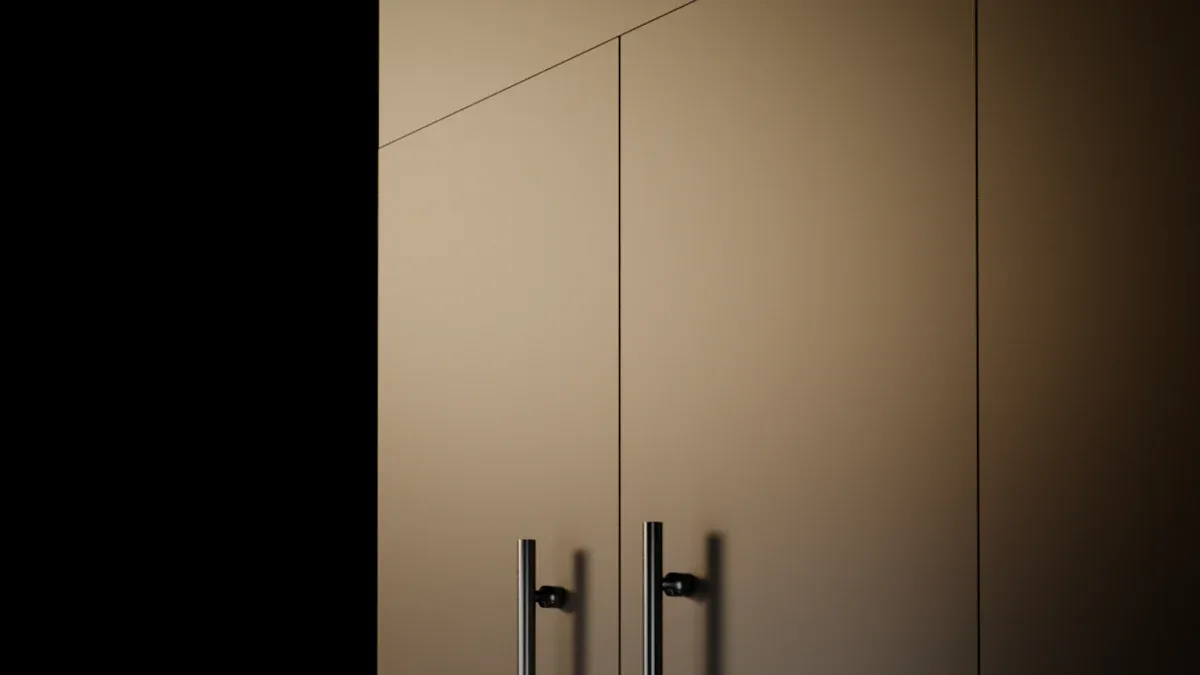
Full overlay cabinets feature doors and drawer fronts that cover almost the entire face frame of the cabinet box. This design leaves only a very small gap between each door and drawer, so the cabinet frame is barely visible. Full overlay cabinets differ from partial overlay cabinets, which leave a portion of the frame exposed. Many homeowners choose full overlay kitchen cabinets for their clean lines and modern appearance. These cabinets are also different from inset cabinets, which require doors to sit flush inside the frame. The table below highlights the differences between full overlay cabinets and inset cabinets:
| Feature | Full Overlay Cabinets | Inset Cabinets |
|---|---|---|
| Design | Streamlined look, hides cabinet frames | Timeless elegance, precise craftsmanship |
| Installation Tolerance | More forgiving installation tolerances | Requires exact measurements and specialized hardware |
| Hardware | Best with hidden hinges | Traditionally uses visible hinges |
| Climate Considerations | More flexible with material expansion | Affected by wood movement, needs adjustments |
| Surface Care | Regular cleaning needed | Requires more attention to prevent debris |
| Hinge Adjustment | Less frequent adjustments needed | More frequent adjustments required |
Appearance and Style of Full Overlay Cabinets
Full overlay cabinets create a seamless and unified look in any kitchen. The doors and drawers align closely, which results in minimal gaps and a smooth surface. This style is popular in luxury and high-end kitchens, villas, and premium homes. Designers often select full overlay cabinets to achieve maximum aesthetic impact and visual continuity. The aesthetic appeal of these cabinets fits well with modern, contemporary, and transitional kitchen styles. Their streamlined appearance can also enhance the aesthetics of open-concept spaces.
Tip: Full overlay cabinets are ideal for homeowners who want a sleek, modern kitchen with a focus on clean lines and uninterrupted surfaces.
Storage and Functionality
Full overlay cabinets offer more storage space compared to partial overlay cabinets. Because the doors cover the entire frame, there is no wasted space along the edges. This design allows for larger cabinet openings and more usable interior space. The table below compares storage capacity:
| Cabinet Type | Storage Capacity Description |
|---|---|
| Full Overlay Cabinets | Maximized storage space due to the absence of exposed frame sections, allowing for more interior space. |
| Partial Overlay Cabinets | Limited storage as part of the frame is exposed, reducing the available interior space. |
- Full overlay cabinets cover the entire frame, maximizing interior storage space.
- They allow for modern storage accessories like pull-out drawers and organizers.
Partial Overlay Cabinets Overview
What Is a Partial Overlay?
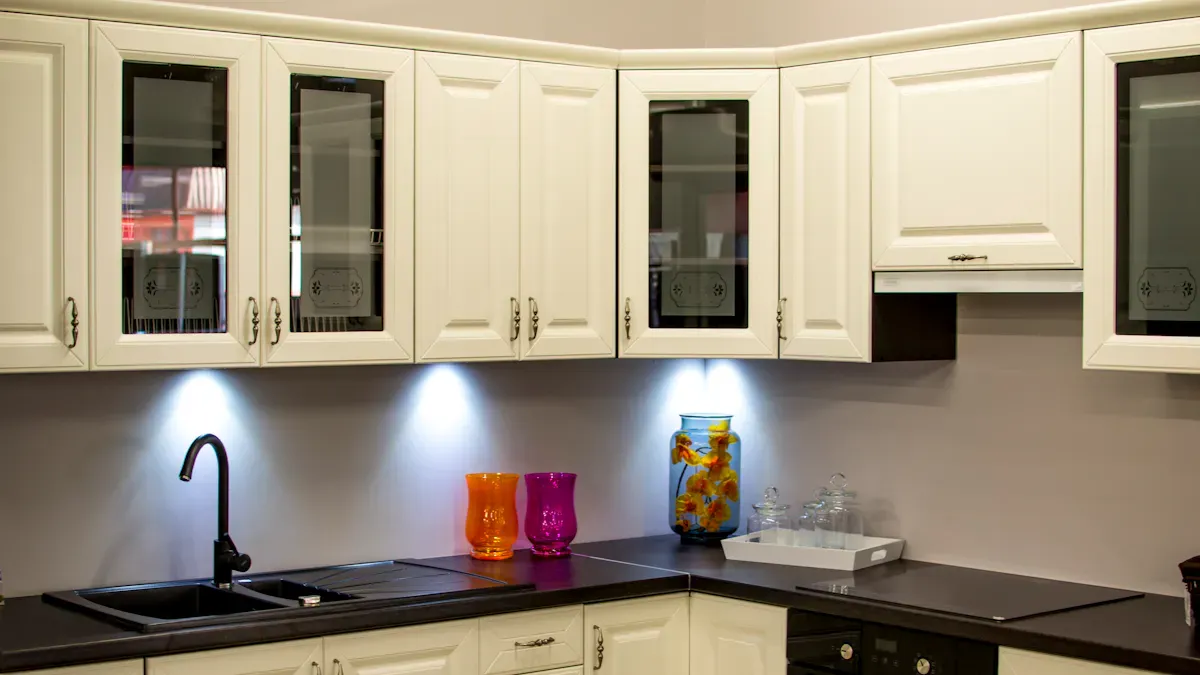
Partial overlay cabinets feature doors and drawers that only partially cover the cabinet frame. This design leaves a visible portion of the frame around each door and drawer. The frame usually measures about 1.5 inches wide, and partial overlay doors cover roughly half of this space. Homeowners can see about one inch of the frame on each side. The visible frame creates natural separation between cabinet doors, giving partial overlay cabinets a distinct architectural character. Unlike full overlay cabinets, partial overlay cabinets maintain a traditional look by emphasizing the cabinet frame.
- Partial overlay cabinets show about ½ to 1 inch of frame around each door and drawer.
- The visible frame creates charming borders that enhance the classic style.
- Partial overlay doors cover half of the frame from all sides, leaving a gap of about 1 inch.
Appearance and Style of Partial Overlay Cabinets
Partial overlay cabinets offer a classic and timeless appearance. The exposed frame contributes to a traditional style that many homeowners appreciate. The signature frame edges of partial overlay cabinets add visual interest and structure to the kitchen. In contrast to full overlay cabinets, which create a seamless surface, partial overlay cabinets highlight the cabinet frame, making it a focal point. This style fits well in traditional and transitional kitchens. Partial overlay cabinets blend modern and classic elements, making them versatile for different design preferences.
Note: Partial overlay cabinets are ideal for kitchens where homeowners want to showcase the cabinet frame and achieve a classic look. The visible frame enhances the aesthetics and adds character to the space.
Storage and Functionality
Partial overlay cabinets provide less storage space compared to full overlay cabinets. The exposed frame reduces the size of the cabinet opening, limiting the available interior space. Homeowners may notice that partial overlay cabinets do not maximize storage as efficiently as full overlay cabinets. However, partial overlay cabinets offer structural benefits and are often easier to install. The visible frame can help protect cabinet edges from wear and tear. Partial overlay cabinets remain a popular choice for those who value tradition and durability over maximum storage.
- Partial overlay cabinets are frequently used in transitional kitchens.
- The visible frame creates natural separation and adds architectural detail.
- Partial overlay cabinets provide structural support and durability.
Full Overlay vs Partial Overlay: Key Differences
Visual Comparison
The visual difference between full overlay cabinets and partial overlay cabinets is easy to spot. Full overlay cabinets create a smooth, seamless look. The doors and drawers almost completely cover the cabinet frame, so only thin lines separate each section. This style works well in modern kitchens where a clean and unified appearance is important. In contrast, partial overlay cabinets show more of the cabinet frame. The visible frame creates a border around each door and drawer, giving the kitchen a more traditional or classic feel. Many homeowners choose partial overlay cabinets for their timeless look and the way they highlight the cabinet structure.
Tip: If you want a kitchen with a sleek, uninterrupted surface, full overlay cabinets are a strong choice. For a kitchen with more detail and visible craftsmanship, partial overlay cabinets may be better.
Storage Space
Storage space is a key difference in the full overlay vs partial overlay debate. Full overlay cabinets offer more usable storage. The doors cover almost the entire frame, so the cabinet openings are larger. This design lets you fit bigger items inside and makes it easier to use modern storage solutions like pull-out trays or deep drawers. Partial overlay cabinets have smaller openings because part of the frame stays exposed. This reduces the amount of space you can use inside each cabinet. For homeowners who need to maximize every inch, full overlay cabinets provide a clear advantage.
Hardware and Installation
The hardware and installation process also differ between full overlay cabinets and partial overlay cabinets. Each style uses specific types of hinges and requires different levels of skill for installation.
| Cabinet Type | Typical Hinges Used | Characteristics and Notes |
|---|---|---|
| Partial Overlay | Bent or crank hinges, semi-concealed hinges, wrap hinges | Simpler, less sturdy, usually visible on cabinet sides; hinges sized 1/2″ to 3/4″ allowing part of frame to show |
| Full Overlay | Hinges with straight arms, mostly hidden “Euro” hinges | More complex, allow 3D adjustment (up/down, left/right, in/out); sleeker look; hinges sized 1 1/4″ to 1 3/8″ or more; require regular tightening |
Full overlay cabinets often use hidden “Euro” hinges. These hinges allow for precise adjustments in three directions, which helps keep the doors aligned. However, this hardware can be more complex and may need regular tightening. Partial overlay cabinets use simpler hinges that are often visible. These hinges are easier to install and adjust, but they do not offer the same level of fine-tuning.
The installation process for each cabinet type also varies:
| Cabinet Type | Installation Difficulty | Professional Requirement | Precision Needed |
|---|---|---|---|
| Full Overlay | More difficult | Yes | High |
| Partial Overlay | Easier | No | Low |
Full overlay cabinets require careful measurement and professional installation. The doors must line up perfectly to achieve the seamless look. Even small mistakes can be noticeable. Partial overlay cabinets are easier to install and do not need as much precision. Many homeowners can install them without professional help.
Maintenance
Maintenance is another important factor in the full overlay vs partial overlay comparison. Each style has its own needs and benefits.
- Full overlay cabinets need more attention. Their design means spills and moisture can reach the edges quickly, so cleaning up right away is important. The hidden hinges also need regular checks and adjustments to keep the doors aligned.
- Partial overlay cabinets are easier to maintain. The sturdy face frame protects the cabinet edges from damage. These cabinets handle daily wear and tear better and are less affected by changes in temperature or humidity.
Note: If you want cabinets that are easy to care for, partial overlay cabinets may be the better option. Full overlay cabinets look sleek but need more regular maintenance to stay in top shape.
Cost Comparison: Full Overlay and Partial Overlay
Full Overlay Cabinets Cost
Full overlay cabinets usually cost more than partial overlay cabinets. This is because they require more materials and precise construction. On average, the price for installing full overlay cabinets in a standard kitchen is about 16% higher than for partial overlay cabinets. The cost can range from $2,000 to $10,800 for general kitchen cabinets, with an average of $6,200. Stock cabinets may cost up to $300 per linear foot, while custom cabinets can reach $500 or more per linear foot. Replacing just the doors can cost between $50 and $90 per door.
| Type of Cabinet | Cost Range |
|---|---|
| Full Overlay Cabinets | 16% more than partial overlay cabinets |
| General Kitchen Cabinets | $2,000 – $10,800 (average $6,200) |
| Stock Cabinets | Up to $300 per linear foot |
| Custom Cabinets | $500 or more per linear foot |
| Door Replacement | $50 – $90 per door |
Note: The higher price reflects the modern look and extra storage space that full overlay cabinets provide.
Partial Overlay Cabinets Cost
Partial overlay cabinets are more affordable for most homeowners. They use less material and do not need as much precision during installation. This makes them a popular choice for those who want to save money. The cost differences between the two styles can be important for families on a budget. Partial overlay cabinets fit well in kitchens where cost and value comparison matter most.
What Affects the Price?
Several factors affect the price of both cabinet types:
- Full overlay cabinets need higher precision in manufacturing and installation.
- They have larger door and drawer fronts.
- Tighter gap tolerances are required between cabinet fronts.
- They use higher-quality concealed hinges and hardware.
Material quality also plays a big role in the final price. Cabinets made from solid wood or custom finishes will cost more. The extra labor and materials for full overlay cabinets increase their price compared to partial overlay cabinets.
Tip: When planning your kitchen, think about both the upfront cost and the long-term value. Sometimes, spending more on cabinets can add value to your home.
Pros and Cons of Each Cabinet Style
Full Overlay Cabinets Pros and Cons
Full overlay cabinets offer a modern and seamless look that many homeowners want in a new kitchen. These cabinets cover almost the entire cabinet frame, which creates a smooth and high-end appearance. The design also allows for more storage space inside each cabinet, making it easier to organize kitchen items.
The following table summarizes the main advantages and disadvantages:
| Advantages of Full Overlay Cabinets | Disadvantages of Full Overlay Cabinets |
|---|---|
| Maximizes storage space by covering the entire cabinet frame, allowing more interior room. | Generally more expensive due to increased material use. |
| Offers a modern, custom, and high-end appearance suitable for upscale kitchens. | Requires professional installation because precise measurements and alignment are critical. |
| Provides a sleek, seamless, and contemporary aesthetic with minimal gaps between doors. | Needs specialized hinges and hardware to accommodate the design. |
| Often includes modern features like soft-close hinges enhancing functionality. | Installation complexity can increase overall project cost. |
Note: Full overlay cabinets are a strong choice for those who want a stylish kitchen and need extra storage. However, the higher cost and need for expert installation may not fit every budget.
Partial Overlay Cabinets Pros and Cons
Partial overlay cabinets have a more traditional look. The cabinet frame remains visible, which adds character and a classic feel to the kitchen. These cabinets are usually less expensive and easier to install, making them a practical option for many homeowners.
Pros:
- Lower cost compared to other cabinet styles.
- Easier installation, often possible without a professional.
- Durable design with the frame protecting cabinet edges.
- Classic appearance that fits many kitchen designs.
Cons:
- Less storage space due to the exposed frame.
- Visible hinges and gaps may not suit modern tastes.
- Fewer options for advanced hardware or custom features.
Tip: Partial overlay cabinets work well for those who want a timeless kitchen style and need to keep costs down. The design is sturdy and simple to maintain, but it may not offer the sleek look of more modern cabinets.
How to Choose: Full Overlay or Partial Overlay?
Consider Kitchen Layout
The layout of your kitchen plays a major role in selecting the right cabinet style. Some kitchens have limited space, while others offer more room for design flexibility. Here are important points to keep in mind:
- Full overlay cabinets work well in modern kitchens. They create a sleek look and help maximize storage, especially in smaller spaces.
- Partial overlay cabinets fit best in traditional or transitional kitchens. They add depth and character to the room.
- Full overlays are easier to clean and maintain. This makes them a smart choice for kitchens that see heavy daily use.
- Partial overlays appeal to homeowners who prefer a classic look and do not need as much space efficiency.
When making kitchen cabinet choices, think about how you use your kitchen every day. If you need more storage and want a modern feel, full overlays may be the right fit. If you value tradition and want a cozy atmosphere, partial overlays can enhance the space.
Tip: Walk through your kitchen and imagine how each cabinet style would look and function in your daily routine.
Match Your Style
Style is a key factor in kitchen cabinet design. The look of your cabinets sets the tone for the entire kitchen. Full overlay are popular in modern kitchens because they offer seamless integration and a sleek appearance. Their clean lines match contemporary trends and create a unified look with minimal gaps.
Partial overlay cabinets, on the other hand, highlight the cabinet frame. This feature adds character and suits traditional or country-style kitchens. The visible frames bring a sense of craftsmanship and detail that many homeowners appreciate.
The table below compares style considerations for both options:
| Style Consideration | Full Overlay Cabinets | Partial Overlay Cabinets |
|---|---|---|
| Aesthetics | Seamless and modern appearance | Popular in traditional designs |
| Installation Difficulty | More challenging due to minimal gaps | Easier with larger gaps |
| Functionality | Needs hardware for opening | Easier access without extra hardware |
Full overlay cabinets create a contemporary look, while partial overlays can evoke a classic or even country-style feel. Choosing the right style helps your kitchen reflect your personality and taste.
Budget and Practical Tips
Budget is often the deciding factor in kitchen cabinet choices. The cost of cabinets can vary based on materials, installation, and design preferences. Here are some practical tips to help you decide:
| Cabinet Type | Cost Difference | Installation Ease | Aesthetic Preference |
|---|---|---|---|
| Full Overlay | Higher cost | Needs precision | Modern, high-end |
| Partial Overlay | Up to 16% less | More forgiving | Traditional, classic |
- For DIY remodels, partial overlay cabinets are recommended. Their forgiving nature makes installation easier for beginners.
- If you plan to hire a professional, full overlay cabinets can deliver a seamless finish and a high-end look.
- Choose full overlay if you want a modern kitchen and have the budget for expert installation.
- Opt for partial overlay if you prefer a traditional style and need to keep costs down.
Note: Always weigh the pros and cons of each option. Consider consulting a kitchen designer or contractor if you are unsure about your decision.
Making the right kitchen cabinet choices involves balancing layout, style, and budget. Take time to review your needs and preferences before making a final selection. The right cabinets can transform your kitchen and add lasting value to your home.
Choosing between full and partial overlay cabinets depends on your kitchen remodel goals. The table below highlights the main differences:
| Feature | Full Overlay Cabinets | Partial Overlay Cabinets |
|---|---|---|
| Look | Modern, seamless | Traditional, classic |
| Cost | Higher | Up to 16% less |
| Storage | Maximized | Less accessible |