
Custom Cabinets
Looking for high-quality custom cabinets for kitchens, bathrooms, and storage spaces? Musk Buildings offers tailor-made cabinet solutions with flexible materials, finishes, and global delivery. Get factory-direct pricing and professional support.
Custom Cabinets Solutions for Residential & Commercial Buildings
Custom Cabinets For Kitchen Space
Kitchen Cabinets
Our custom kitchen cabinets are built to maximize storage, improve workflow, and match different interior styles. Layouts, cabinet sizes, door styles, finishes, and hardware can all be customized to suit your kitchen space and usage habits.
Common applications include apartments, villas, hotels, and serviced residences.

Custom Cabinets For Bedroom Space
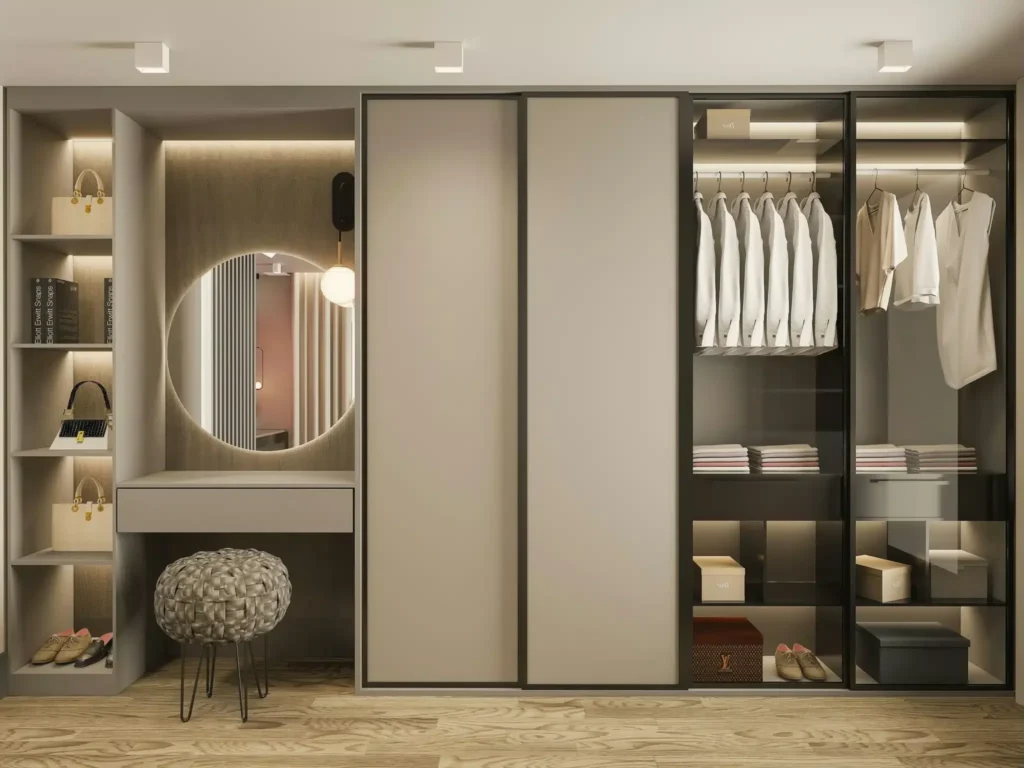
Wardrobes
Our custom wardrobes are designed for bedrooms, walk-in closets, and built-in storage systems. We offer flexible internal layouts, sliding or hinged doors, and multiple material options to help optimize storage while maintaining a clean, modern look.
Custom Cabinets For Living Room Space
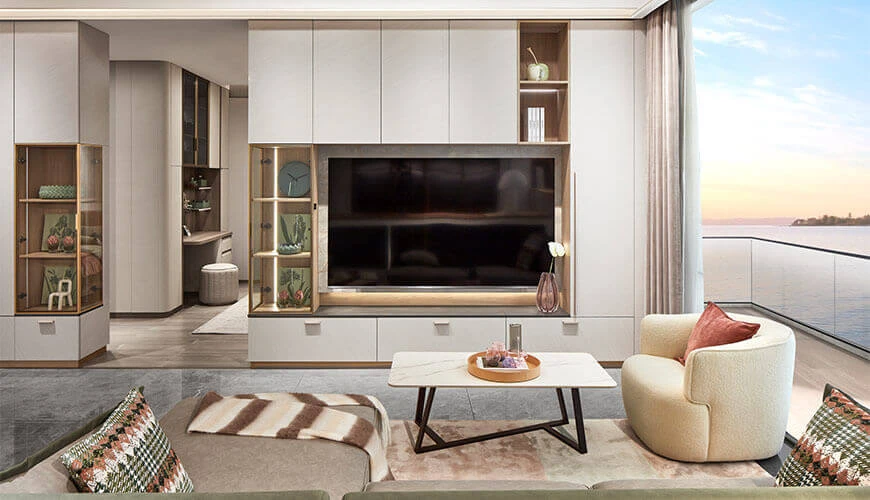
Living Room Cabinets
Custom living room cabinets provide both storage and visual focus. From TV units to wall-mounted storage and display cabinets, our solutions are tailored to fit wall dimensions and interior design concepts, ensuring seamless integration with the living space.
Custom Cabinets For Laundry Space
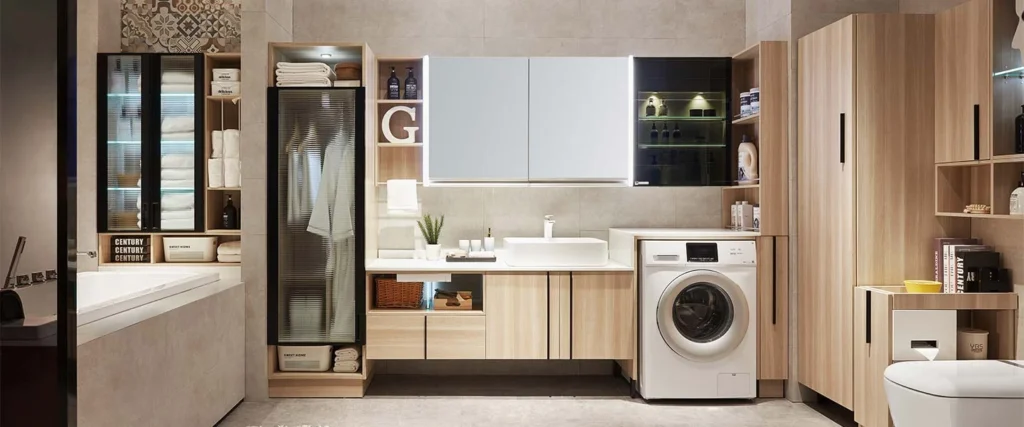
Laundry Cabinets
Our custom laundry cabinets are designed to improve organization and efficiency in utility spaces. Cabinets can be customized for washers, dryers, sinks, and cleaning storage, making even small laundry areas functional and easy to maintain.
Guide to Custom Cabinets
Choosing custom cabinets is not just about appearance—it’s about functionality, durability, and long-term value. Below is a simple step-by-step guide to help you understand the custom cabinet process and make informed decisions for your project.
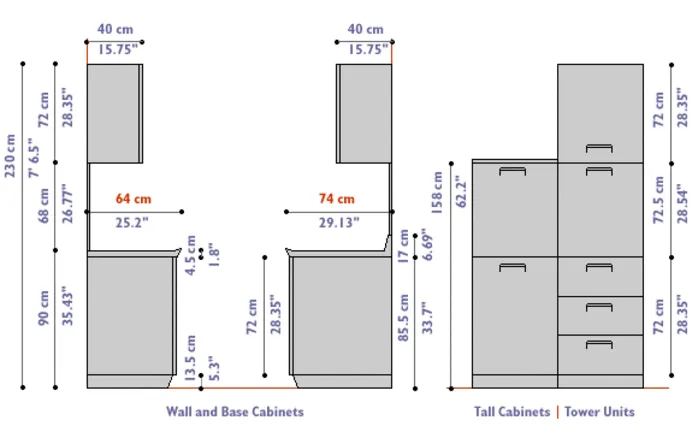
Step 1: Define Cabinet Specifications
Start by determining the cabinet type, installation space, and overall dimensions. This includes identifying whether the cabinets are for kitchens, wardrobes, living rooms, or utility areas, as well as confirming layout requirements and storage needs.
Clear specifications help ensure accurate production and efficient project planning.
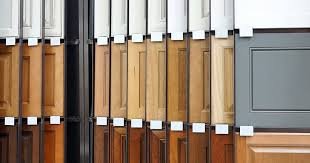
Step 2: Select Cabinet Materials
Material selection plays a critical role in cabinet durability and performance. Choose the core material, surface finish, door style, and hardware based on usage environment, moisture exposure, and design preference.
Proper material selection ensures cabinets remain stable and functional over time.
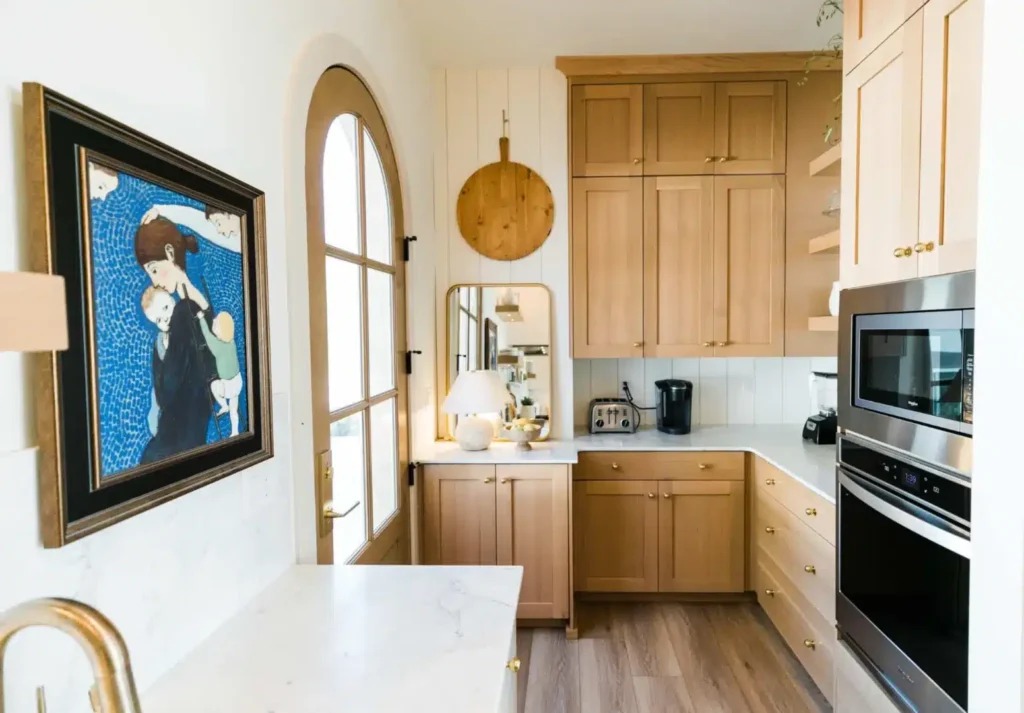
Step 3: Customize Design
At this stage, internal layouts, shelving, drawers, and accessories are customized to maximize storage efficiency. Functional details such as soft-close systems, pull-out baskets, and integrated storage solutions can be adjusted to suit daily usage habits.
This step turns standard cabinetry into a fully personalized solution.
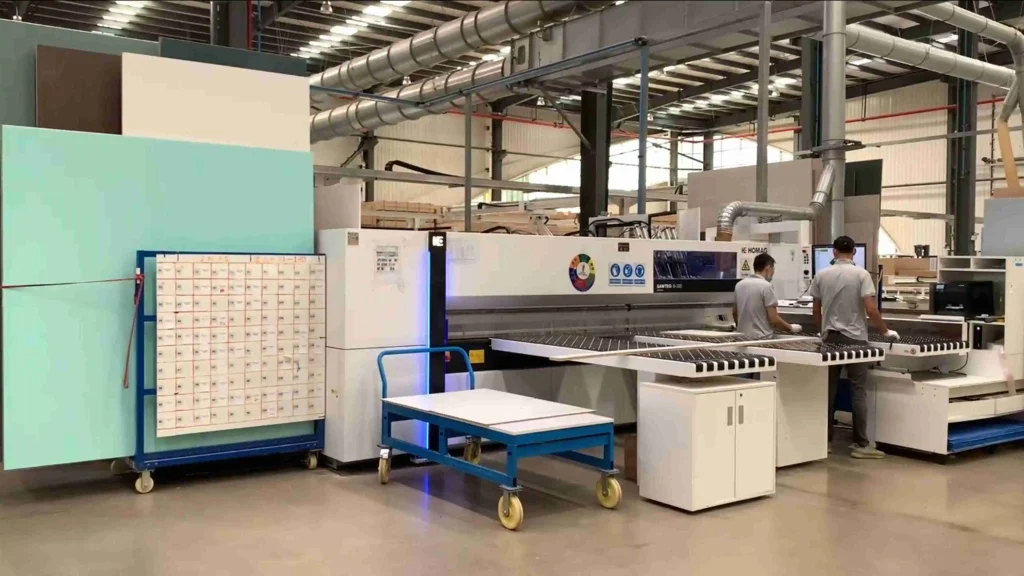
Step 4: Production, QC & Delivery
Once the design is confirmed, production begins under strict quality control standards. Finished cabinets are inspected, securely packaged, and prepared for shipment, ensuring safe delivery for both local and international projects.
Reliable production and logistics are essential for on-time project completion.
Custom Cabinets Materials
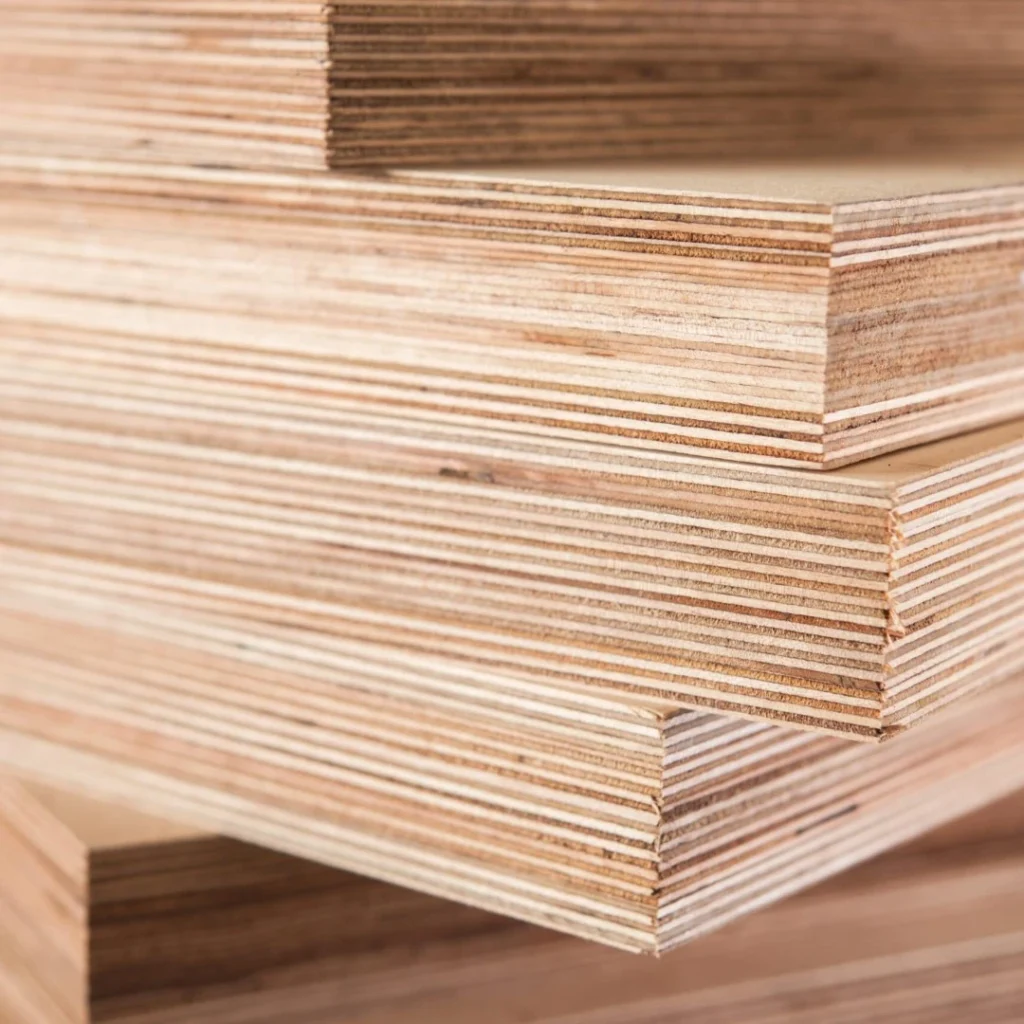
Plywood
Plywood is widely used in custom cabinets due to its strength and moisture resistance. Made from layered wood veneers, it offers excellent structural stability and is suitable for kitchens, bathrooms, and high-humidity environments.
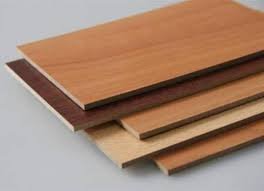
MDF
MDF (Medium Density Fiberboard) features a smooth, dense surface that is ideal for painted cabinet doors and modern designs. It allows for clean edges and detailed profiles while maintaining consistent quality.
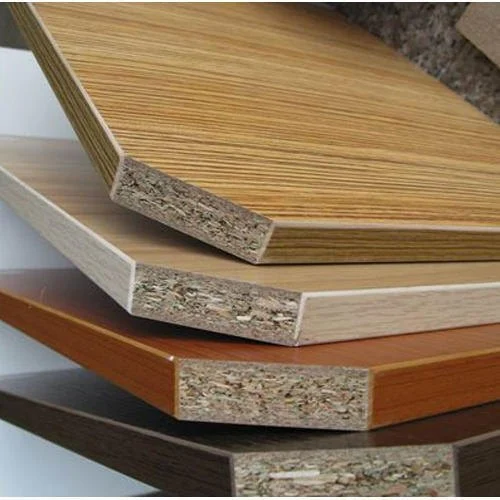
Particle Board
Particle board is a cost-effective option commonly used in standard cabinet applications. With proper surface finishing and edge sealing, it provides acceptable performance for low-moisture environments.
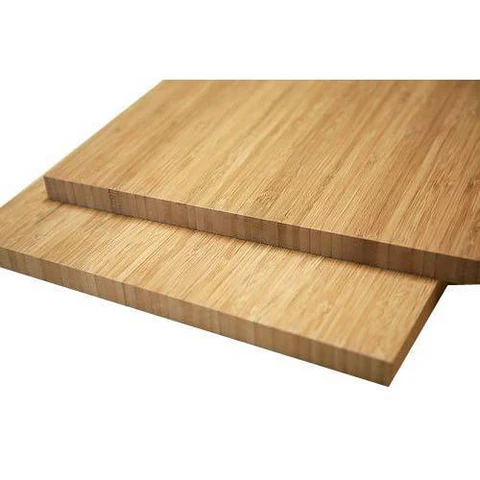
Solid Wood
Solid wood offers natural texture, strength, and a premium appearance. It is commonly used for cabinet doors and visible components, often combined with plywood or MDF structures to balance stability and cost.
Material Comparing Table
| Material | Durability | Moisture Resistance | Cost Level | Best For |
|---|---|---|---|---|
| Plywood | High | High | Medium | Kitchens, bathrooms, long-term residential & commercial projects |
| MDF | Medium | Medium | Medium | Painted cabinets, modern kitchens, wardrobes |
| Particle Board | Low–Medium | Low | Low | Budget projects, dry indoor spaces |
| Solid Wood | High | Medium | High | High-end kitchens, wardrobes, villas, premium interiors |
Why Choose Musk Custom Cabinets
Musk Buildings provides custom cabinet solutions designed for real projects, real spaces, and long-term use. From residential homes to commercial developments, our custom cabinets are made to order, ensuring precise fit, functional layouts, and consistent quality.
With experience serving international markets, Musk Buildings supports export-ready cabinet solutions, including secure packaging and logistics coordination. By combining practical design, dependable materials, and professional project support, we help clients achieve custom cabinet solutions that are both cost-effective and built to last.
Common Custom Cabinets FAQs
Kitchen Cabinets Colors
Choosing the right kitchen cabinet color influences the kitchen’s brightness, mood, and long-term visual appeal. Below are the most common kitchen cabinet colors used in residential and commercial projects, each with its own advantages and design considerations.
White Kitchen Cabinets
White kitchen cabinets are one of the most popular choices due to their ability to reflect light and make kitchens feel larger and cleaner. They work well in both small and large spaces and pair easily with various countertop materials and backsplash styles. White cabinets are especially suitable for modern, minimalist, and classic kitchen designs.
Gray Kitchen Cabinets
Gray kitchen cabinets offer a neutral and versatile option that balances warmth and modernity. Light gray cabinets create a soft, contemporary look, while darker gray tones add depth and contrast. Gray works well with stone countertops, metal hardware, and modern lighting, making it a practical choice for long-term use.
Black Kitchen Cabinets
Black kitchen cabinets create a bold and sophisticated statement. When paired with proper lighting and lighter countertops, black cabinets add a premium and modern feel without overwhelming the space. They are commonly used in larger kitchens or high-end designs where contrast is a key visual element.
Blue Kitchen Cabinets
Blue kitchen cabinets bring a sense of calm and character to the kitchen. Popular shades include navy, slate blue, and muted blue-gray tones. Blue cabinets pair well with white countertops, brass hardware, and natural wood elements, making them suitable for both modern and transitional kitchen styles.
Green Kitchen Cabinets
Green kitchen cabinets introduce a natural and refreshing atmosphere. Soft sage and olive tones are popular for modern and transitional kitchens, while deeper green shades create a more dramatic effect. Green cabinets work well with wood textures and stone surfaces, adding warmth and balance to the space.
Beige & Neutral Kitchen Cabinets
Beige and neutral-toned kitchen cabinets provide a soft and understated appearance. These colors are ideal for creating a calm and cohesive space, especially when combined with natural light and neutral materials. Neutral cabinets are often chosen for long-term projects where flexibility and durability are priorities.
Wood Tone Kitchen Cabinets
Wood tone kitchen cabinets highlight natural textures and bring warmth to the kitchen environment. Light wood tones create an airy, Scandinavian-inspired look, while darker wood finishes add richness and elegance. Wood cabinets are suitable for both contemporary and traditional kitchen designs and offer timeless appeal.
Kitchen Cabinets Styles
Choosing the right kitchen cabinet style is essential for both functionality and visual appeal. The style sets the tone of the kitchen, influences storage solutions, and determines how well the space integrates with the overall interior design. Below are the most common kitchen cabinet styles used in residential and commercial projects.
Modern Kitchen Cabinets
Modern kitchen cabinets are characterized by clean lines, flat-panel doors, minimal hardware, and a sleek, uncluttered look. They often use materials like painted MDF, laminates, or high-gloss finishes to create a contemporary atmosphere. Modern cabinets work well in open-plan layouts and are ideal for homeowners seeking a functional yet stylish kitchen.
Best for: Apartments, villas, open-plan kitchens, and contemporary commercial spaces.
Traditional Kitchen Cabinets
Traditional kitchen cabinets feature decorative details such as raised panels, crown molding, and classic hardware. They often use solid wood or wood veneers with warm finishes, creating a timeless and elegant appearance. Traditional cabinets are perfect for homeowners who prefer a cozy, classic, or heritage-inspired kitchen design.
Best for: Classic homes, luxury villas, and heritage-style projects.
Transitional Kitchen Cabinets
Transitional kitchen cabinets blend modern simplicity with traditional warmth. They often feature a combination of clean lines and subtle decorative elements, offering flexibility in both design and function. This style works well for homeowners who want a balanced kitchen that is both modern and inviting.
Best for: Homes that bridge contemporary and traditional interiors, mixed-style projects.
Minimalist Kitchen Cabinets
Minimalist kitchen cabinets emphasize simplicity, functionality, and hidden storage. These cabinets typically have flat surfaces, handleless designs, and neutral or monochromatic color schemes. The minimalist style helps create uncluttered spaces and works exceptionally well in small kitchens or open layouts where space efficiency is a priority.
Best for: Small apartments, urban homes, and sleek modern kitchens.
Rustic / Farmhouse Kitchen Cabinets
Rustic or farmhouse-style cabinets use natural wood textures, distressed finishes, and simple hardware to create a warm, inviting atmosphere. They often include open shelving or glass-front doors for a casual, homey feel. This style works well in country homes, villas, or kitchens designed to feel cozy and approachable.
Best for: Villas, country homes, and farmhouse-inspired renovations.
Custom Kitchen Cabinet Layout
A well-designed custom kitchen cabinet layout maximizes functionality, improves workflow, and optimizes storage space. The layout should be tailored to the kitchen size, appliance placement, and daily usage habits. Below are the most common custom kitchen cabinet layouts used in residential and commercial projects.
L-Shaped Kitchen Layout
The L-shaped layout features cabinets along two adjacent walls, forming an “L” shape. This design is ideal for small to medium kitchens and open-plan spaces, as it allows for efficient workflow while leaving room for a dining area or island. L-shaped layouts provide flexible storage solutions and are compatible with most kitchen styles.
Best for: Apartments, small to medium homes, and open-concept kitchens.
U-Shaped Kitchen Layout
The U-shaped layout wraps cabinets around three walls, creating a closed workspace with ample storage and counter space. This design is perfect for larger kitchens where multiple cooking zones are required. U-shaped kitchens support separate zones for cooking, cleaning, and preparation, improving overall efficiency.
Best for: Large homes, villas, and kitchens with multiple users.
Galley Kitchen Layout
Galley kitchens feature two parallel walls of cabinets with a walkway in between. This layout maximizes storage and countertop space in narrow kitchens, making it efficient for cooking in small or compact areas. Proper lighting and ventilation are important to prevent the space from feeling cramped.
Best for: Narrow kitchens, apartments, and efficient commercial kitchen spaces.
Island Kitchen Layout
Island layouts include a standalone island in the center of the kitchen, which can provide additional storage, counter space, and seating. Islands enhance workflow by serving as a prep area, breakfast bar, or informal dining space. This layout works best in medium to large kitchens with sufficient floor space for circulation.
Best for: Medium to large kitchens, open-plan homes, and luxury kitchen designs.
Peninsula Kitchen Layout
The peninsula layout is similar to an island but attached to a wall or cabinet run, forming an extended counter. This design provides extra workspace and storage while maintaining a clear flow in the kitchen. It is ideal when a full island is not feasible due to space constraints.
Best for: Medium kitchens, apartments, and homes requiring extra counter space.
Layout Tips for Custom Cabinets
Work Triangle: Position the stove, sink, and refrigerator for efficient movement.
Storage Zones: Designate zones for utensils, cookware, and pantry items.
Traffic Flow: Ensure walkways are wide enough for safe and comfortable use.
Appliance Integration: Plan cabinet sizes around appliance dimensions to avoid gaps or awkward spaces.
Custom kitchen cabinets allow every layout to be tailored precisely to your kitchen dimensions, usage habits, and style preferences, providing both functional and aesthetic benefits.
Factors to Consider During Kitchen Renovation
1. Kitchen Layout and Workflow
The layout determines how efficiently the kitchen operates. Consider the work triangle between the stove, sink, and refrigerator, as well as the placement of preparation and storage zones. Custom cabinets allow you to optimize workflow by designing storage solutions and countertops that fit the exact space and usage needs.
2. Storage Requirements
Evaluate your storage needs for utensils, cookware, pantry items, and appliances. Adequate storage helps reduce countertop clutter and improves functionality. Custom cabinets can include pull-out drawers, corner solutions, and built-in organizers to maximize every inch of space.
3. Cabinet Material and Finish
The choice of cabinet materials affects durability, maintenance, and long-term appearance. Options include plywood, MDF, particle board, solid wood, laminates, and veneers. Consider the kitchen environment—moisture levels, heat exposure, and cleaning frequency—when selecting materials and finishes for both cabinets and doors.
4. Lighting and Ventilation
Proper lighting enhances visibility and atmosphere, while good ventilation prevents odors, moisture damage, and mold growth. Plan for a combination of natural light, task lighting above work areas, and ambient lighting to create a comfortable and functional kitchen.
5. Budget and Project Timeline
Set a clear budget and timeline for your renovation. Custom kitchen cabinets may require longer lead times due to design, material selection, and production. Planning ahead helps avoid delays, manage costs, and ensure that materials and labor align with your expectations.
6. Appliance Integration
Consider the size and placement of kitchen appliances such as refrigerators, ovens, dishwashers, and microwaves. Custom cabinets can be tailored to fit appliances perfectly, creating a seamless appearance and maintaining functional efficiency.
7. Style and Aesthetic Consistency
Ensure that cabinets, countertops, backsplash, and flooring harmonize with the overall interior design. Choosing a consistent style—modern, transitional, traditional, or minimalist—enhances the kitchen’s visual appeal and resale value.